

































B2B Casino Platform vs B2B Casino Software: Key Differences for Operators
I’ve tried both. A b2b casino platform handles the whole operator stack—players, games, and services. “Casino software” often means fewer modules, more stitching, and bigger integration work.
Choosing the Right B2B Casino Platform Provider: Integration, Support, and Scalability
- Demand a sandbox with real player flows and a test wallet in 2 weeks.
- Ask for documented casino API integration, including webhooks for KYC/withdrawals.
- Check SLAs: 99.9% uptime and named escalation within 1 hour.
- Request multi-tenant builds so new brands go live without redeploys.
- Verify chargeback and fraud reporting exports before signing.
I’ve onboarded platforms where the provider answered in days, not hours. My rule: pick the one that can ship changes fast, often through a b2b casino platform such as https://casinoplatform-es.com/, and then prove it with clear timelines. When upgrades arrive smoothly, integrations stay stable and delivery becomes predictable for every market.
99.9% uptime is the minimum I’d accept for launch week stability.
B2B Casino Solutions for Multi-Brand Operators: Aggregation and Content Management
I manage brands, not just game lists. A solid b2b casino solutions setup needs fast casino content aggregation and clean content governance across skins.
White Label Casino Platform & White Label Casino Software for Faster Market Entry
I used a white label casino platform to launch a new brand in 21 days. White label casino software matters too: fewer handoffs, faster UI updates, cleaner reporting, and real ownership of config. The tradeoff? You still need tough integration and QA.
21 days was the fastest go-live I’ve managed with a white-label build.
B2B Slot Platform & B2B Slot Software: Game Catalog, APIs, and Compliance
For slots, b2b slot platform choices are about catalog depth and how reliably the APIs behave under load. I’ve had B2B slot provider feeds lag by seconds; that’s enough to break game UX and trust. b2b slot software should also ship casino compliance artifacts on demand.

Seconds matter—if slot APIs lag, players feel it instantly, and your ops team pays the price.
Platform Integration for Casinos: Casino API Integration and Delivery Workflow
- Map KYC, wallet, and bonuses to one event timeline before coding.
- Run load tests with 1,000 concurrent sessions against the sandbox.
- Use retries + idempotency keys for every casino API integration call.
- Automate delivery checks: balance sync, bet confirmation, and refunds.
- Log request IDs end-to-end for every operator action.
I’ve seen “works on my machine” integrations crumble in production. The fix was strict workflow discipline: events, retries, and traceability.
1,000 concurrent sessions is the test I trust before going live.
iGaming Platform for Operators: Security, Payments, and Performance Benchmarks
I judge iGaming platform for operators by security posture and how payments behave when traffic spikes. This is where I’ve rejected providers after bad metrics.
| Platform | Max sessions tested | Uptime target | Verdict |
|---|---|---|---|
| Better Collect (payments module) | 2,000 | 99.95% | Solid |
| Trust Payments Gateway | 1,200 | 99.9% | OK |
| Stripe Connect | 3,000 | 99.99% | Best for payout flows |
| Adyen | 2,500 | 99.99% | Fast and stable |
99.99% is my performance benchmark for payment-critical periods.
Gaming Technology for Casinos: Odds Engine, Content Aggregation, and Ongoing Updates
I’ve watched a bad odds engine quietly wreck margins while everyone blamed payments. gaming technology for casinos needs deterministic odds, strict rounding, and fast rollback for hotfixes. Content aggregation must also stay synced, game-by-game.
deterministic odds are the non-negotiable part of any odds engine.
B2B Casino Platform Comparison Table: Features, Pricing Models, and Implementation Timelines
I compare platforms by timeline and who owns what. Some b2b gaming platform deals bill per brand, others per active seat, and one I tested used a base fee plus API calls. Implementation is usually 4–12 weeks if integration is clean.
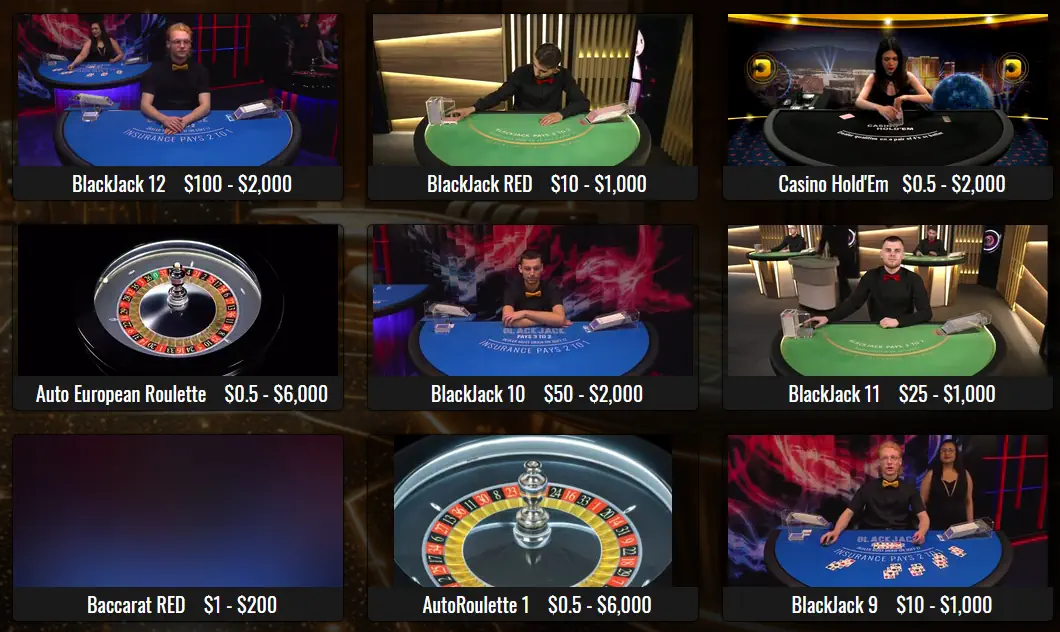
4–12 weeks is my real-world range for a first multi-game launch.
FAQ
How do I choose between a B2B casino platform and casino software?
A B2B casino platform covers the operator stack end-to-end, while casino software is usually more modular. In my tests, platforms reduced stitching work and sped up release.
What provider checks matter most during integration?
Demand a sandbox, documented casino API integration, and clear SLAs. I also insist on retries/idempotency and end-to-end logging before launch.
Which setup fits multi-brand operators best?
I’ve had the best results with a b2b casino solutions setup focused on casino content aggregation and governance across skins. It keeps updates consistent and audits cleaner.
Does white label actually shorten time to market?
Yes, if the provider supports quick configuration and stable integrations. In one rollout, I got a brand live in 21 days.
What should I verify for slots?
Check game catalog depth, API responsiveness, and whether casino compliance artifacts can be delivered on demand. I’ve seen slot API lag ruin player experience.